
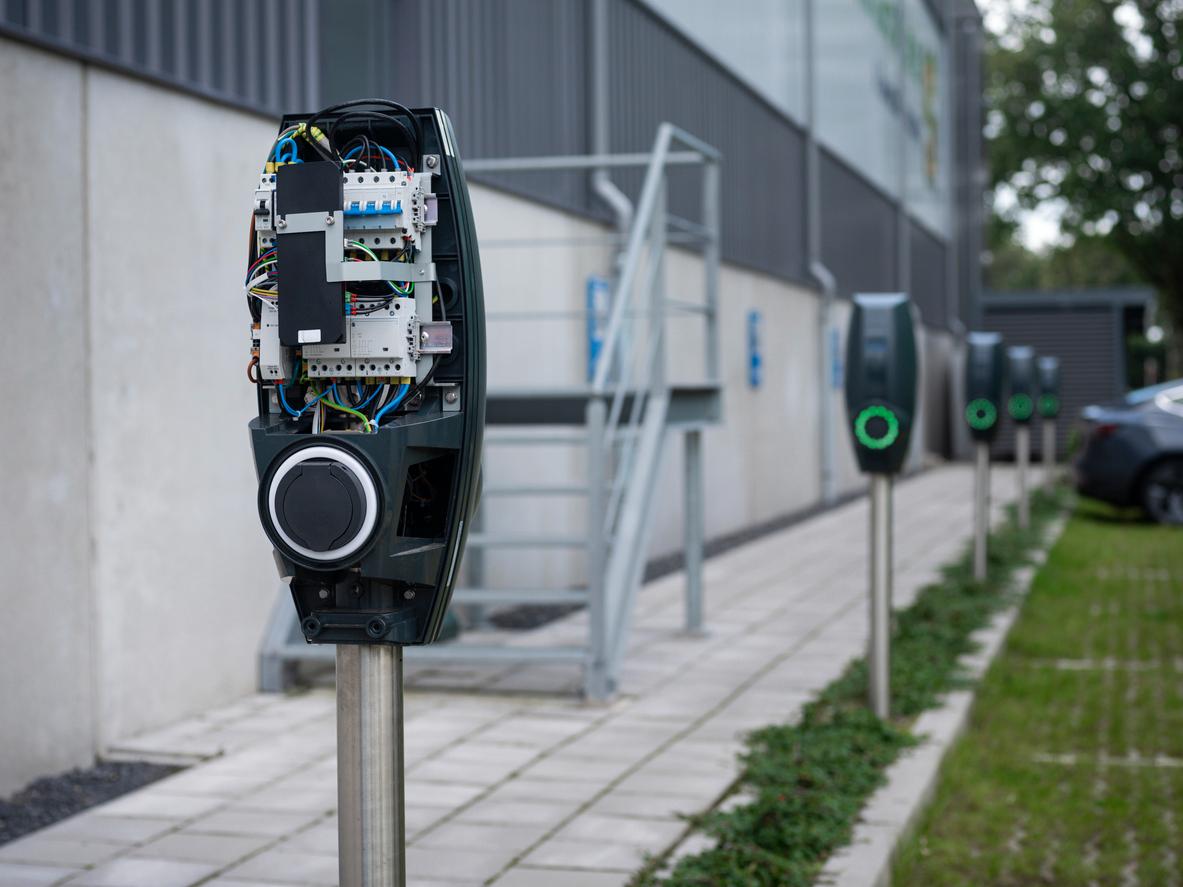
Electric vehicle (EV) charging infrastructure is becoming more important as EV adoption rises. Even the best charging units can fail or underperform due to a range of causes. Below, we explore the most frequent issues that lead to charger breakdowns, followed by why EVCC Ltd is your best choice for diagnosing, repairing, maintaining and installing EV charging stations.
Power Supply and Electrical Faults
Overloaded Circuits and Tripped Breakers
Many EV charger failures start with the electrical supply. If the circuit feeding the charger is overloaded, breakers can trip and cut off power. In older buildings or sites with limited capacity, the wiring or protection devices may be undersized or worn.
Voltage Fluctuations and Brownouts
Sometimes the wider power grid experiences surges, dips, or brownouts. A charger may shut down or suffer internal damage if its power electronics cannot manage those variations, or if there is no proper surge protection.
Poor Earthing or Grounding and Fault Currents
Correct grounding is essential for safety and function. Faulty or degraded grounding can cause leakage currents or trigger shutdowns. Inadequate protection devices can also create instability.
Connector, Cable and Interface Problems
Worn or Damaged Connectors
Connectors and sockets endure repeated stress. Pins, locking parts, and insulation sleeves can wear out, causing poor contact, arcing, or fault detection.
Contamination and Corrosion
Dust, moisture, salt, or debris can enter connector interfaces. Corrosion increases resistance, reduces performance, and often causes error states.
Cable Damage or Internal Breaks
Charging cables can be damaged by cuts, kinks, crushing, or even rodent activity. These faults typically trigger safety shutdowns.
Poor Mechanical Alignment or Wear
Loose mounting or misalignment may prevent proper plug insertion and can put stress on both the connector and the charger.
Software, Communication and Control Failures
Firmware Bugs and Failed Updates
Like all modern electronics, chargers rely on firmware. Software errors or incomplete updates can cause malfunctions such as failed starts or incorrect reporting.
Vehicle to Charger Communication Errors
EVs and chargers need to exchange signals to initiate charging. If there is interference or incompatibility, the process fails or cuts off early.
Network and Backend Connectivity Loss
Many chargers need stable internet connections for billing and remote monitoring. A loss of connectivity can prevent charging sessions from starting or being recorded.
Interoperability and Standards Mismatch
If a charger is not updated to align with the latest EV models or charging standards, compatibility issues may arise.
Environmental and Physical Stressors
Water Ingress and Moisture
Outdoor chargers are constantly exposed to rain, humidity, or even flooding. If seals degrade, water can damage internal components.
Temperature Extremes
Heat degrades electronics, while freezing weather can cause condensation or brittle materials. These conditions may trigger sensors or shut systems down.
UV Exposure and Material Fatigue
Prolonged sunlight exposure can weaken plastics, seals, and housings. Repeated stress or vibrations may also lead to cracks.
Physical Impact and Vandalism
Public chargers are vulnerable to accidental knocks, deliberate vandalism, or vehicle collisions. This often leads to both external and internal damage.
User Error, Neglect and Misuse
Forceful Handling and Incorrect Use
Forcing connectors or pulling on cables damages mechanisms and pins. Ignoring warning signals can worsen the problem.
Lack of Maintenance
Skipping inspections or ignoring minor issues can turn small faults into major breakdowns. Regular maintenance is essential to avoid unnecessary expense.
Outdated Authentication or App Problems
Chargers that rely on mobile apps or subscriptions can fail if users run outdated software or invalid credentials.
Improper Modifications or Add-ons
Adding third-party parts or makeshift fixes can cause incompatibilities and lead to more faults.
Why EVCC Ltd Is the Best Option for EV Charger Repairs
When your EV charger fails, you need more than a quick fix. You need lasting solutions from a company that understands every aspect of charging systems. EVCC Ltd delivers exactly that.
-
Specialist Knowledge
EVCC focuses on EV charging systems, not general electrical work. This expertise covers both hardware and software, ensuring complete fault coverage. -
Comprehensive Diagnostics
Technicians trace problems from the power supply through to software and communication. This means the true cause is identified and resolved, preventing repeat issues. -
Fast Response
Downtime is costly for both businesses and drivers. EVCC provides a responsive service to get chargers back up and running quickly. -
Genuine Parts and Best Practices
Repairs use manufacturer-approved parts and proven methods. This ensures reliability and extends the life of the equipment. -
Software and Firmware Support
EVCC manages updates and compatibility checks so that chargers stay aligned with evolving EV technology. -
Preventative Maintenance
Scheduled inspections, cleaning, and diagnostics keep systems healthy and reduce the risk of breakdown. -
Clear Service Records
Every repair and maintenance visit comes with transparent reporting, giving clients full confidence and support for compliance needs.