
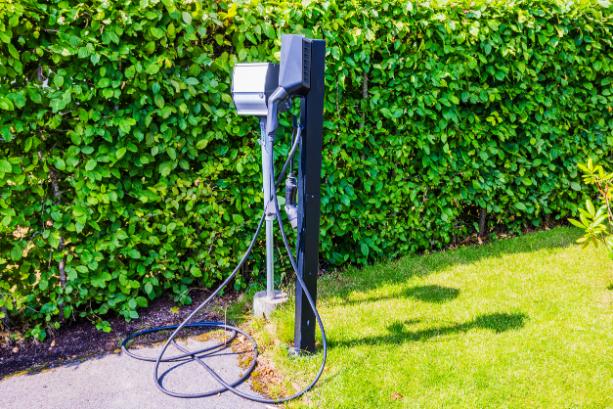
The rise of electric vehicles (EVs) has made home and workplace charging a necessity rather than a luxury. With more drivers making the switch, the demand for safe and reliable EV charging infrastructure continues to grow. However, an EV charger is not a simple plug-in appliance. It requires expert electrical knowledge, compliance with strict regulations, and careful consideration of both safety and efficiency. Attempting to cut corners can create hazards that put people, property, and vehicles at risk. This is why choosing a professional installer is the best decision you can make.
Understanding the Risks of Improper Installation
An EV charger deals with high electrical loads and complex communication between vehicle and supply. When installations are rushed or handled by unqualified individuals, the risks can be severe.
Electrical Overloads
If a charger is connected to circuits that cannot handle the demand, it can cause constant tripping of breakers or overheating cables. This not only reduces reliability but also increases the risk of fire, making proper load assessment a vital part of installation.
Inadequate Earthing and Protection
Professional installers ensure that the system includes the correct type of residual current devices (RCDs) and fault protection. Without these measures, fault currents can go unnoticed, putting users in danger of electrical shock.
Water and Weather Exposure
Outdoor chargers must be sealed against rain, frost, and temperature changes. Poor installation can allow water ingress, leading to corrosion, short circuits, or even complete unit failure. A professional will select weatherproof units rated for outdoor use and install them securely to withstand the elements.
Compatibility Issues
EVs use a variety of charging standards, from Type 1 and Type 2 connectors to CCS and CHAdeMO protocols. A trained installer ensures that the chosen unit works seamlessly with the vehicles it will serve, preventing wasted investment and frustrating downtime.
The Role of a Professional EV Charger Installer
Installing an EV charger is not simply about attaching cables. It involves a methodical process that ensures both safety and performance.
Site Survey and Load Assessment
A professional begins with a detailed survey of the site, examining the existing electrical system, available supply capacity, and anticipated charging demand. This ensures the property’s infrastructure can support the charger without overloading circuits or compromising other appliances.
Correct Equipment Selection
Different environments call for different chargers. A family home may need a compact 7kW smart charger, while a business might require multiple high-capacity units with load balancing features. Professional installers match the charger to the user’s needs, ensuring a long-term solution rather than a short-term fix.
Compliance with Regulations
EV installations must meet the requirements of BS 7671 wiring regulations and relevant building codes. Professional installers keep up to date with the latest safety standards and know exactly how to apply them, removing any risk of legal or insurance issues.
Safe Electrical Integration
The physical work of installation includes choosing the correct cabling, securing fixtures, and setting up protective devices to safeguard both the charger and the property. In some cases, installers must notify the Distribution Network Operator (DNO) to ensure the supply is suitable and legally compliant.
Why Professional Expertise Saves Money Long Term
While professional installation may appear more expensive at first, it prevents a host of problems that often lead to greater costs later.
Avoiding Costly Repairs
A poorly fitted charger is more likely to suffer from faults such as loose connections or inadequate wiring. These problems often lead to expensive call-outs and replacements, whereas a correct installation prevents them from occurring in the first place.
Reducing Downtime
For businesses, downtime can mean employees or customers are unable to charge their vehicles, which quickly creates frustration. Professional installers deliver reliable systems that work consistently, reducing interruptions and protecting your reputation.
Maximising Efficiency
Smart chargers can optimise energy use by balancing loads, avoiding peak tariffs, and integrating with renewable energy sources. Only a qualified installer can configure these features properly to deliver real cost savings.
Protecting Warranties
Most manufacturers require professional installation to keep product warranties valid. Using unqualified labour or attempting DIY installation could invalidate coverage, leaving owners unprotected if the unit fails.
Safety for Homes, Businesses, and the Public
The importance of safe installation applies everywhere, but the risks grow when chargers are used by multiple people.
Workplace Responsibility
Employers who provide charging facilities have a duty of care to staff and visitors. Faulty chargers not only disrupt business but could also expose companies to legal claims. Professional installation ensures that systems meet both safety and compliance standards.
Public Safety
Public charging points in car parks, retail parks, and service areas must meet the highest standards. Hundreds of drivers may rely on them, so poor installation could create risks for large numbers of people. By using a professional installer, operators protect both the public and their brand reputation.
Futureproofing
Professional installations are designed with expansion in mind. As EV use grows, a business or housing development may need to add more chargers. A well-planned installation allows this growth without requiring costly rewiring or infrastructure upgrades.